
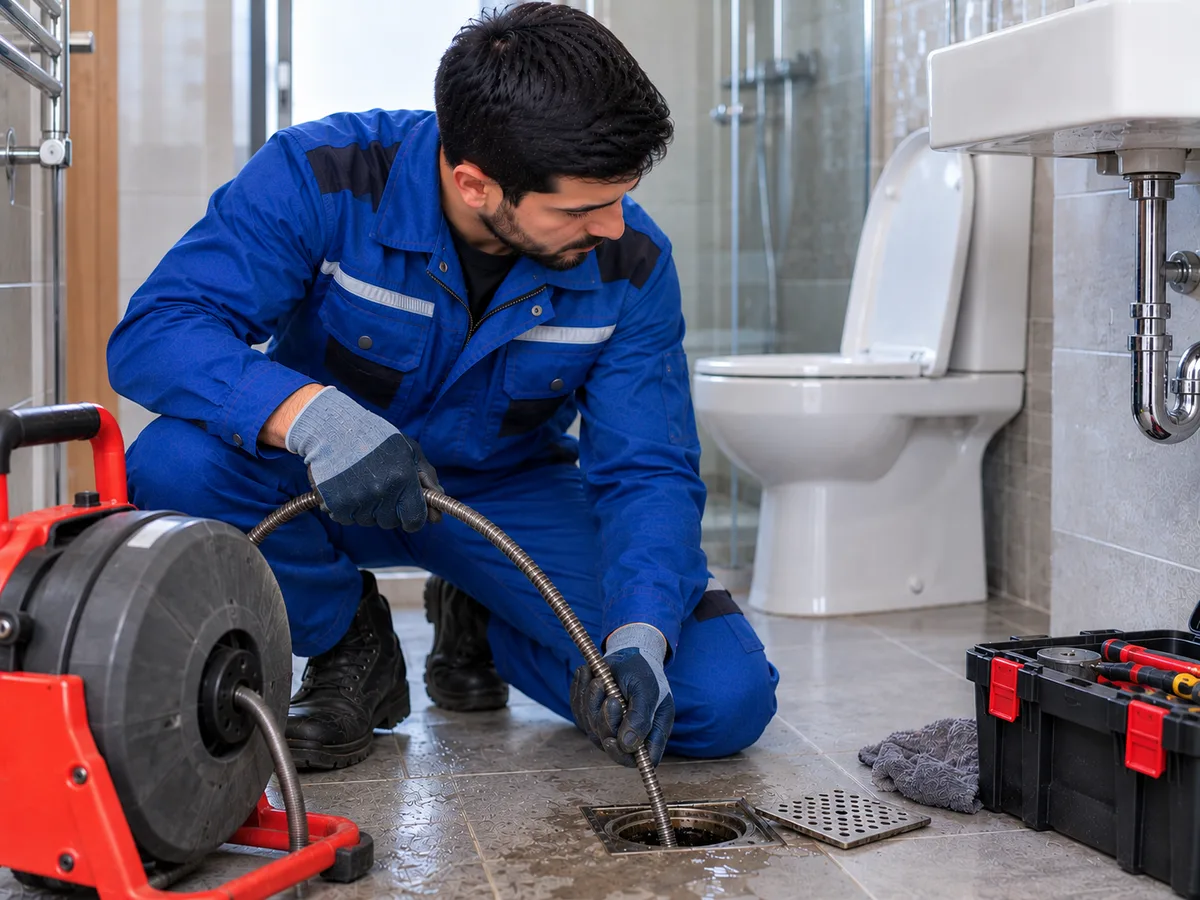
Improper operation of a sewer system can cause serious inconvenience in houses, apartments, offices, restaurants, and other properties. Slow drainage, blocked pipes, sewage backing up, or unpleasant odors may indicate a problem in the system. In such cases, a sewer technician inspects the line, identifies the source of the problem, and carries out the necessary repair and cleaning work.
Blockages in sewer lines can occur for many different reasons. In kitchens, grease and food waste may gradually stick to the inner walls of pipes and reduce their flow capacity. In bathrooms and toilets, hair, soap residue, and other waste can accumulate inside the pipes and prevent water from draining normally.
If water from a sink, shower, toilet, or floor drain is flowing more slowly than before, this may be a sign of a partial sewer line blockage. If the problem is not resolved in time, the passage inside the pipe may become even narrower and eventually lead to a complete blockage.
Sewage backup is one of the more serious sewer system problems. If wastewater comes back through a toilet, sink, or floor drain, this may indicate a severe blockage in the main sewer line. In this situation, the exact location of the blockage should be identified and the sewer line cleared using an appropriate method.
An unpleasant sewer odor is not always caused only by a blockage. A dry trap, loose pipe connections, accumulated deposits in the sewer line, or ventilation problems may also cause odors to spread into the room. For this reason, simply trying to eliminate the smell without identifying its source may not provide a lasting solution.
Deterioration of sewer pipes can also cause different types of problems. Cracks, breaks, or loosened connections may result in water leakage. Depending on the extent of the damage, a specific section of the pipe may be repaired or replaced with a new one.
In sewer lines that have been used for many years, thick layers of deposits can form inside the pipes. These deposits reduce the internal diameter of the pipe and make it harder for water to pass through. As a result, the sewer line may become blocked frequently and the same problem can return after a short period.
It is also important to determine whether the problem affects only one plumbing fixture or the entire system. For example, if water does not drain only from the kitchen sink, the blockage may be located in that particular line. If several sinks, toilets, or floor drains experience problems at the same time, the main sewer line may need to be inspected.
The equipment and method used to clear a sewer line should be selected according to the type and severity of the problem. Mechanical cleaning and other professional methods can be used to remove deposits that are restricting water flow inside the pipe. The goal is not only to create a small passage for water but to remove as much of the blockage-causing buildup as possible.
One of the common causes of recurring sewer blockages is disposing of unsuitable waste into the system. Grease, wet wipes, large food scraps, and other materials that do not dissolve easily in water can collect inside pipes and cause new blockages. Proper use of the sewer system can help reduce these problems.
If the same sewer line becomes blocked several times within a short period, the cause may not be limited to accumulated waste. Incorrect pipe slope, unsuitable pipe diameter, damaged connections, or problems with the design of the line may prevent wastewater from flowing freely.
When renewing sewer pipes or installing a new line, the pipe diameter, direction, and slope should be calculated correctly. Properly installed connection points are also important for ensuring the long-term and reliable operation of the sewer system.
Some minor blockages can be cleared at an early stage. However, frequent and uncontrolled use of strong chemical drain cleaners may damage certain pipes, rubber components, and connections. If the problem keeps returning, it is better to identify the underlying cause of the blockage.
If water does not drain, sewage backs up, leaks occur, unpleasant odors appear, or sewer pipes are damaged, it is recommended to contact a professional sewer technician. The technician can inspect the system, identify the affected section, clear the blockage, repair damaged pipes, and replace pipe sections when necessary.
Services provided include: sewer cleaning, cleaning blocked sewer lines, clearing kitchen and bathroom drains, unclogging toilets and sinks, sewer pipe repair, replacement of old and damaged pipes, solving sewage backup problems, resolving slow drainage, identifying the source of sewer odors, repairing pipe leaks, and inspecting sewer lines.